Discover Habibi Meaning Across Language and Culture
The Arabic word Habibi Meaning has gained worldwide attention through music, movies, social media, and everyday conversations. Many people hear it in songs or while traveling in the Middle East but remain unsure about its true meaning. Understanding this beautiful expression helps you appreciate Arabic culture and communicate more naturally with native speakers.
Although the word appears simple, it carries emotional depth and cultural significance. It can express love, friendship, care, or affection depending on the situation. Whether used between family members, friends, or romantic partners, this word Habibi Meaning reflects warmth and kindness. Learning its meaning opens the door to understanding an important part of Arabic communication.
What Does Habibi Mean?
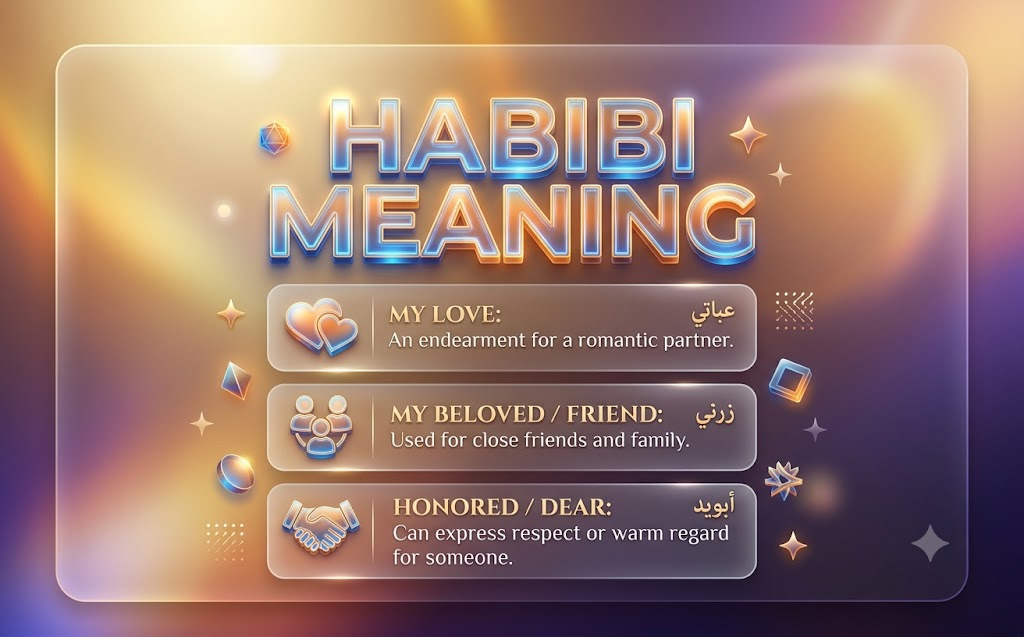
The literal translation of “Habibi” is “my beloved” or “my dear.” It comes from the Arabic word “hubb,” which means love. When someone says “Habibi,” they are showing affection toward another person. The expression is common in both formal and informal conversations across many Arabic-speaking countries.
The exact meaning depends on context and tone. Friends may use it casually just like saying “buddy” or “pal,” while couples often use it as a romantic nickname. Parents also say it to children to express love and care. Because of its flexibility, the word remains one of the most popular Arabic expressions.
The Origin of the Word Habibi
The word “Habibi” has roots in Classical Arabic, a language spoken and written for centuries. It comes from the root letters H-B-B, which are connected with love, affection, and kindness. Many Arabic words related to friendship and emotional connection come from this same linguistic root.
Arabic grammar changes words according to gender and number. “Habibi” is traditionally used when speaking to a male, while “Habibti” is used for a female. These grammatical differences help speakers communicate respectfully and accurately. Despite these rules, many people outside the Arab world simply recognize the word “Habibi.”
When People Use Habibi
People use “Habibi” in countless everyday situations. Friends greet each other with the word, parents comfort their children, and couples use it as a loving nickname. Shopkeepers may even call customers “Habibi” to create a welcoming and friendly atmosphere during conversations.
The expression is not always romantic, which surprises many learners. Someone might say it after helping a stranger or thanking a close friend. The tone of voice and relationship between speakers determine its meaning. This flexibility makes it an important part of everyday Arabic communication.
Habibi and Habibti Explained
Arabic distinguishes masculine and feminine forms for many words. “Habibi” addresses a male, while “Habibti” addresses a female. Both expressions share the same meaning of “my beloved” or “my dear.” Using the correct form demonstrates respect for Arabic grammar and cultural traditions.
If you are speaking to a mixed audience or learning Arabic for the first time, you may hear both versions frequently. Movies, television shows, and songs often include these terms because they express warmth and emotional closeness. Knowing the difference improves both understanding and pronunciation.
Is Habibi Always Romantic?
One common misunderstanding is believing that “Habibi” always means romantic love. In reality, the word expresses many kinds of affection beyond romantic relationships. Friends use it regularly without implying romantic feelings. Families also rely on the expression during everyday conversations.
Cultural context plays an important role in interpretation. In many Arab countries, using affectionate language among friends is perfectly normal. Visitors unfamiliar with these customs may mistakenly assume romantic intent. Understanding the culture helps avoid confusion and encourages respectful communication.
Habibi in Different Arabic Countries
Although “Habibi” is understood across the Arabic-speaking world, pronunciation and usage may vary slightly from one country to another. In places like Lebanon, Egypt, Jordan, Saudi Arabia, and the United Arab Emirates, the word remains part of everyday speech. Local accents simply create small differences in pronunciation.
Some regions use additional affectionate expressions alongside “Habibi.” Others combine it with greetings or polite phrases during conversations. Despite these regional differences, the emotional meaning remains consistent. It continues to symbolize kindness, friendship, and genuine affection wherever it is spoken.
Why Habibi Became Popular Worldwide
The popularity of Arabic music has introduced millions of people to the word “Habibi.” International artists frequently include it in song lyrics because of its emotional sound and universal appeal. Social media platforms have further increased its popularity through videos, memes, and cultural content.
Television series, travel experiences, and global friendships have also contributed to the spread of the expression. Today, people from many different countries recognize the word even if they do not speak Arabic. It has become a symbol of warmth and hospitality beyond the Middle East.
Common Situations Where Habibi Is Used
You might hear “Habibi” during greetings between close friends. Parents often say it while encouraging children or expressing pride in their achievements. Romantic partners use it during private conversations to show love and appreciation. Each situation gives the word a slightly different emotional meaning.
Business owners and restaurant staff sometimes use the expression when serving customers. Their goal is to create a welcoming environment and make visitors feel comfortable. This friendly approach reflects the importance of hospitality in many Arab cultures. The word therefore extends beyond personal relationships.
Similar Words in Other Languages
Many languages have affectionate expressions similar to “Habibi.” English speakers often say “dear,” “darling,” “love,” or “sweetheart.” Spanish speakers may use “mi amor,” while French speakers often say “mon amour.” Each phrase expresses affection through different cultural traditions.
Although these expressions share similar meanings, none completely captures the cultural richness of “Habibi.” The Arabic word combines love, friendship, hospitality, and respect within a single expression. This unique emotional range explains why it continues to fascinate language learners around the world.
Should Non-Arabic Speakers Use Habibi?
Yes, non-Arabic speakers can use “Habibi” respectfully if they understand its meaning and context. Learning expressions from other languages promotes cultural appreciation and meaningful communication. However, pronunciation and appropriate usage matter when speaking with native Arabic speakers.
Avoid using the word carelessly or in situations where affection may seem inappropriate. If speaking to someone you have just met, observe how they communicate before using personal expressions. Respecting cultural customs ensures your use of the word feels genuine rather than forced.
Common Misconceptions About Habibi
Many people believe “Habibi” belongs to only one Arabic country, but it is widely understood throughout the Arab world. Another misconception is that only couples use the expression. Friends, relatives, neighbors, and even colleagues may comfortably use it in everyday life.
Some learners also think the word has only one translation. In reality, it may mean “my dear,” “my beloved,” “my friend,” or “my love” depending on context. Paying attention to relationships and tone helps identify the intended meaning in every conversation.
How to Respond When Someone Says Habibi
If someone calls you “Habibi,” a warm smile and polite response are usually enough. You can simply thank them or continue the conversation naturally. If you know the person well, using the same expression in return may feel appropriate and friendly.
If you are unsure about the relationship or cultural expectations, responding politely without repeating the word is perfectly acceptable. Respect and sincerity matter more than memorizing expressions. As you become more familiar with Arabic culture, using the word will feel increasingly natural.
Conclusion
Understanding Habibi Meaning goes beyond learning a simple vocabulary word. It introduces you to values of kindness, affection, hospitality, and human connection that are deeply rooted in Arabic culture. Whether spoken between friends, family members, or loved ones, the expression carries warmth that transcends language barriers.
As Arabic culture continues influencing global entertainment and communication, more people encounter this beautiful word every day. Learning its proper meaning and respectful usage helps build stronger cross-cultural relationships. By appreciating the emotions behind “Habibi,” you gain a deeper understanding of one of the world’s richest linguistic traditions.